
What a Residential Land Survey Reveals Before Buying an Older House
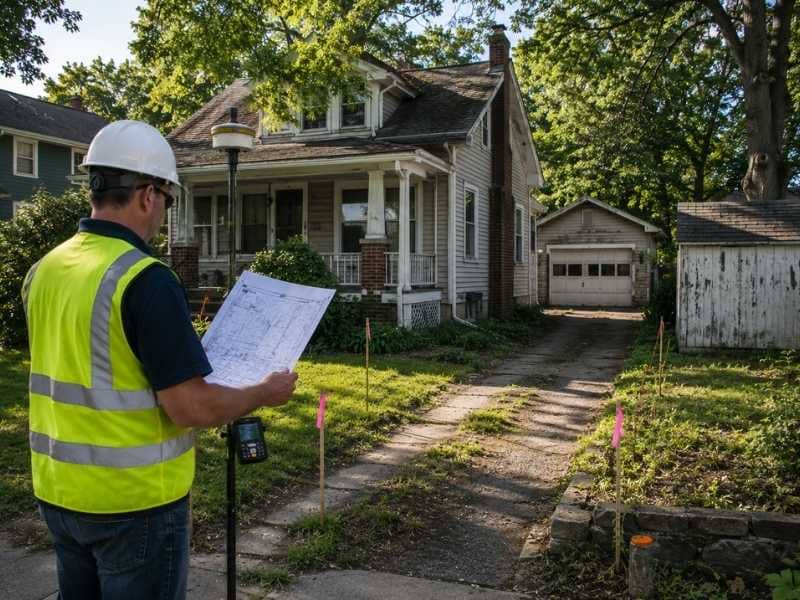
A residential land survey gives homebuyers a clearer picture of what they’re buying before they close. Older houses come with history, and not all of it shows up during a standard showing or home inspection. Changes made over the years, features added without permits, and structures built close to the property line can all affect how a property is used after purchase. A survey puts that information on paper before the transaction is final.
Why Older Houses May Have Hidden Property Problems
An older house has often changed hands several times. Each owner may have made changes without keeping records, pulling permits, or checking property boundaries first. A sunroom gets added to the back of the house. A small shed goes up near the rear fence. A concrete pad gets poured along the side yard. These changes happen over many years and across different owners.
The problem is that a buyer inherits all of those situations without knowing they exist. A room added without a permit may not meet current building rules. A shed placed near the property line may sit closer to the boundary than local rules allow. A path shared with a neighbor may have no legal record behind it. A survey can bring these issues to light before a purchase is final.
What a Residential Land Survey Can Show Before You Buy
A residential land survey produces a drawing of the property based on field measurements and recorded documents. It shows the legal boundary of the lot, the location of corner markers, and the positions of buildings and other features on the lot.
For an older house, that drawing often shows things a walkthrough doesn’t catch. A home inspection checks the condition of a structure. A survey checks where that structure sits on the lot. The survey shows whether a detached garage sits within the property boundary, whether an addition sits close to a setback line, and whether any structure appears to cross onto a neighboring property. A buyer who has that information before closing knows what they’re taking on.
Clues That the Property Has Changed Over the Years
Some changes on older properties leave visible clues. A room addition that doesn’t match the original roofline suggests work was done after the house was built. A concrete driveway that lines up with a neighbor’s driveway may be part of a shared arrangement that was never recorded. A shed that looks newer than the surrounding yard may have been placed without checking the boundary.
These clues point to questions a survey can help answer. The addition may or may not appear on the property’s permit history. The shared driveway may or may not have a recorded easement behind it. The newer shed may or may not sit within the legal boundary. A survey shows where these features sit relative to the property line and gives a buyer solid information to work from.
How a Residential Land Survey Can Help You Ask Better Questions
Survey results give a buyer specific information to bring to a conversation with the seller, a real estate attorney, or a title company.
Without survey information, a buyer asking about a shed near the back fence is working from a general concern. With survey results showing the shed sits two feet from the property line in an area where five feet is required, the buyer has a specific fact to raise. That leads to a better conversation about whether the shed has a permit, whether a variance exists, and whether the placement creates any risk.
The same applies to shared features. If a survey shows a path that connects to an adjacent lot, a buyer can ask whether any recorded access exists for that path. Getting a clear answer before closing is much simpler than finding out the arrangement is informal after the purchase is done.
When an Older House May Need a Closer Look
Some features of an older property are worth extra attention before a buyer moves forward.
An unusual lot shape is one of them. Flag lots, pie-shaped parcels, and lots with irregular corners are harder to read visually. What looks like open yard space may include areas that fall inside an easement or belong to a right-of-way.
Structures sitting close to the visible edge of the lot are another signal. When a garage, an addition, or a large patio sits near the apparent property line, a survey confirms whether those features stay within the legal boundary. That matters more to a new buyer than it did to the original owner. A new buyer takes on whatever issues exist at closing, including problems that were never addressed by a prior owner.
Missing corner markers on an older lot also signal that the boundary hasn’t been physically confirmed in some time. When the markers that define the lot corners are gone, there’s no reliable reference point for where the legal line actually sits.
Frequently Asked Questions
What is a residential land survey?
A residential land survey is a scaled map based on field measurements and recorded property documents. It shows the legal boundaries of a lot, the location of corner markers, and the positions of buildings and other features on the property.
What can a residential land survey reveal before buying a house?
A survey can show where the property boundaries sit, whether any structures fall close to or beyond those boundaries, and whether features like shared paths or driveways have any formal legal record behind them.
Can a residential land survey show changes made to a property?
Yes. A survey shows the current location of buildings and permanent features on the lot. When those features appear to have been added at different times, the survey shows their positions relative to the legal boundary.
Why are surveys useful for older houses?
Older homes often have additions, sheds, driveways, and other features added by different owners over many years. A survey shows where those features sit on the lot and whether any of them raise questions about setbacks, encroachments, or informal access arrangements.
When should I ask about getting a residential land survey?
Buyers often consider a survey when they want a clearer picture of a property before purchase, especially when the house is older, the lot has an unusual shape, or visible features raise questions about past changes or where the boundary sits.
