
Surveyor for Fence Planning Around Corner Landscaping
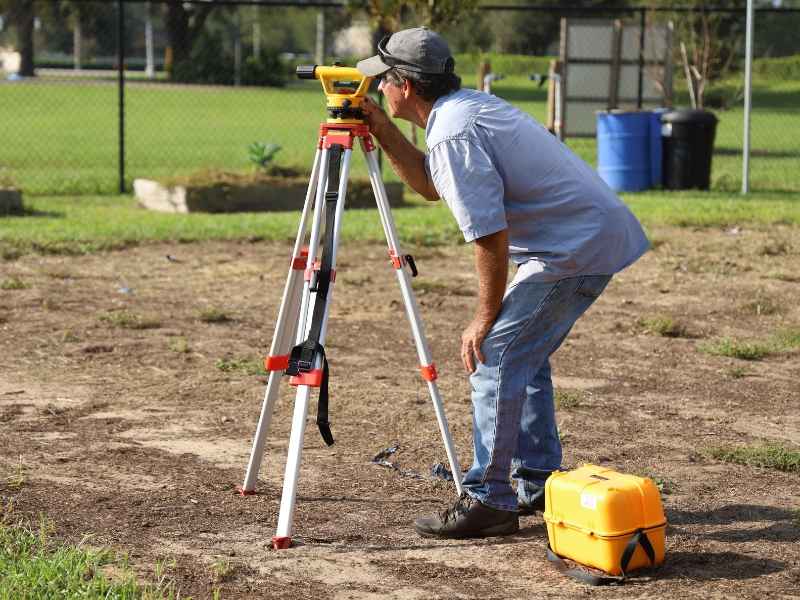
A surveyor for fence planning removes the guesswork before any posts go in. Homeowners carry most of this risk, though fence contractors and landscapers feel it too. The surveyor locates the real corners, marks the lines, and shows easements and setbacks that limit where the fence can sit. With that information, you can design the fence around your landscaping instead of letting the landscaping decide where the fence goes.
Property corners are where fence projects tend to go sideways. A mature tree, a curved planting bed, or a decorative rock border can hide the exact spot where your lot ends. Installers often work around the plants and guess at the line, and that guess can put a fence a foot or two onto a neighbor’s land.
Why Corner Landscaping Complicates Fence Placement
Corners are the points that control everything else. A fence line is usually a straight run between two corners, so an error at one end shifts the whole fence. Landscaping makes those corners hard to see and even harder to reach.
Corner markers are often iron rods buried a few inches below the surface. Over the years, they get covered by mulch, sod, edging, and root growth. Some get pulled out by a landscaping crew that thought they were old stakes. Once a marker is gone or moved, the visible landscaping starts to look like the boundary, and that’s rarely accurate.
Corner lots add another layer. They often have two street frontages, wider front yards, and curved property lines near the intersection. Many also have heavier planting near the corner for curb appeal. All of that makes a careful layout more important on these properties.
How a Boundary Survey Establishes Accurate Fence Lines
A boundary survey locates and marks the legal limits of your property. A licensed surveyor reviews the deed, recorded plat, and nearby surveys, then measures the site to recover or reset the corner markers. The result is a signed drawing showing where your lines fall in relation to the house, driveway, and other features.
Ordering a survey for fence work is the most reliable way to settle where a corner sits under a planting bed or tree. The surveyor can find markers you can’t see and confirm whether the ones you’ve found are still in their original spot. Curved lines along a street get measured too, which matters when a fence follows a rounded corner.
Ask your surveyor to show the landscaping features near the line on the drawing if they affect your plans. Trees, beds, walls, and irrigation boxes close to the boundary help your installer plan the route. That extra detail can save a second site visit later.
Identifying Easements and Setbacks Around Landscaped Corners
An easement is a recorded right that lets someone else use part of your property for a set purpose. Utility and drainage easements often run along lot edges, and some cut across corners. Building a fence inside one may be limited or may require permission, depending on the terms and the local rules.
Setbacks are the distances that structures must stay from property lines or streets. Fence rules vary a lot. Many communities limit fence height in front yards, and corner lots often face extra limits near intersections so drivers can see oncoming traffic. These visibility areas go by different names, such as sight triangles or clear-view zones, and their size depends on the municipality.
Before you finalize a design, check these sources:
- Your recorded plat and title documents for easements
- Local zoning or building rules for fence height and placement
- Homeowners association guidelines, if your property has an HOA
- The survey drawing for any easement lines near the corners
Requirements can vary by municipality, county, and property type. Call the permit office early so the rules shape your plan before materials are ordered.
Planning Fence Alignment Around Trees and Planting Beds
Once the lines are marked, you can decide how the fence and the plants will share the space. Some owners keep the fence right on their side of the line and adjust beds to fit. Others set the fence a little inside the boundary to protect a tree or keep a planting area open. Both choices are fine when they’re made on purpose.
Trees need extra thought. Digging post holes close to a trunk can damage major roots, and roots can also push posts out of line over time. Ask your installer about spacing posts to skip large roots or shifting a panel to clear a trunk. If a tree sits right on the line, the trunk and roots may cross onto both properties, so talk with your neighbor before cutting or digging near it.
Check for hidden items under the beds as well. Irrigation lines, landscape lighting wires, and drainage pipes often run close to corners. Mark them before digging. Call 811 for public utility locates, and keep in mind that private lines on your property may not be covered.
Using Survey Markings to Guide Fence Installation
Survey markings are only useful if they survive until installation day. Surveyors typically set stakes, flags, or paint at corners and along the line. Some also set offset stakes, which sit a known distance from the true line so they stay in place while crews dig.
Share the survey drawing with your fence contractor and landscaper before work starts. Ask the installer to run a string line between the marked points instead of eyeballing from the beds. Tell landscaping crews not to pull flags or stakes, even if they look temporary.
A survey for fence installation pays off most when the crew measures from the marks at every post. Walk the line with your installer before the first hole is dug. Confirm which side of the line the fence will sit on, how far inside the boundary it’ll be, and how the fence will turn at the corner.
Frequently Asked Questions
Do I need a survey for fence installation if I already have an old survey?
An old survey is a good starting point, but it may not reflect current conditions. Markers may have been moved, buried, or removed since it was done. Landscaping and other changes can also make old drawings harder to match to the ground. A surveyor can tell you whether the old survey can be updated or whether new field work is needed.
Can I use my landscaping or an old fence as the property line?
That isn’t a reliable method. Planting beds, hedges, and old fences are often built near the line instead of on it. Over time, people tend to treat them as the boundary even when they’re off. A boundary survey is the way to confirm where the line actually sits.
What happens if a tree sits on the property line?
A tree on the line may be shared by both owners, depending on local law. Cutting roots or branches on that tree without talking to your neighbor can cause problems. Your fence may need to shift slightly or include a gap to work around the trunk. If there’s a disagreement, a local attorney can explain your rights.
