
Boundary Survey Checks Before Replacing a Shared Privacy Wall
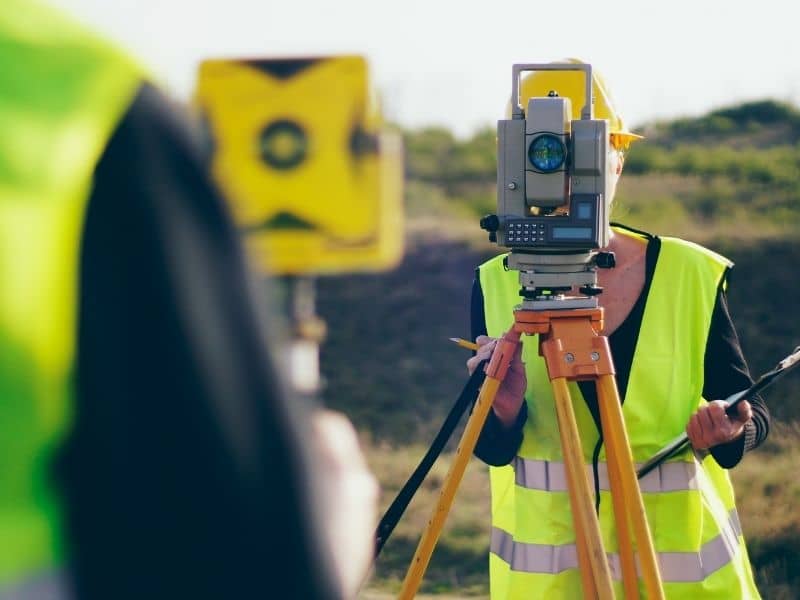
An old privacy wall starts to lean. Cracks spread, the base shifts, and it is time for a new one. So you plan to tear it down and put up something better in the same spot. Before starting the project, it is important to consider neighbor property concerns, especially when the existing wall may sit near a shared area or has been in place for many years.
Then a question comes up. Whose wall is it? A wall between two yards often sits on or near a shared line. Remove it or move it a few inches, and you may cross onto your neighbor’s land without meaning to.
Here is the takeaway. Before you touch a shared privacy wall, confirm the line with a boundary survey. A boundary survey shows exactly where your property ends and your neighbor’s begins. That one step keeps a simple wall project from turning into a dispute.
Reviewing Existing Wall Conditions Before Replacement
Start by looking closely at the wall you have. Its condition tells you a lot about the job ahead. A leaning or cracked wall may already sit off the true line, and that matters for the replacement.
Walk the full length and note what you see. Look for cracks, leaning sections, shifting footings, and spots where the wall has moved over time. An existing improvement review helps document the current condition of the wall and surrounding features before replacement begins. Old walls often drift from their original position as the ground settles. Where the wall sits today may not be where it was first built.
This review sets up the survey work. A surveyor can tell you whether the existing wall follows the property line or strays from it. That answer shapes how you plan the new wall. It also helps you avoid rebuilding a mistake that has been there for years.
Confirming Shared Boundaries Before Removing the Wall
A shared privacy wall sits between two owners, so the boundary matters to both of you. Before removal, you need to know where the line falls and how the wall relates to it. Property assessment services can help document existing site conditions and provide the information needed to make informed decisions before replacing the wall. A boundary survey gives you that answer.
The wall could sit in one of a few spots. It might rest fully on your land, fully on your neighbor’s, or straddle the line between you. Each case changes your rights and your responsibilities. Knowing which one applies prevents a costly assumption.
Talk with your neighbor early in the process. A wall on a shared line usually affects them too. Sharing the survey results keeps the conversation based on facts, not guesses. Rules about shared walls can vary by property type, county, and city, so confirm what applies before work begins.
Evaluating Property Records and Physical Evidence
A boundary survey is more than a quick measurement. The surveyor studies records and physical evidence to confirm the true line. This is how a professional separates the legal boundary from the old wall.
Research comes first. The surveyor pulls your deed, the recorded plat, and any past survey maps for your lot and the ones next to it. These documents describe where the line should fall. They form the legal basis for the whole review.
Then the surveyor checks the ground. They locate survey pins, markers, and monuments, and compare them against the records. They also read features like fences, walls, and older lines that hint at long-standing boundaries. Evidence a surveyor weighs often includes:
- Deeds and legal descriptions
- Recorded plats and subdivision maps
- Existing survey pins and monuments
- The current and past wall positions
- Fences and other physical features
Planning New Wall Placement With Accurate Measurements
Once the line is confirmed, you can plan the new wall with confidence. Accurate measurements tell you exactly where to build. This keeps the replacement on your side or on the shared line, wherever it belongs.
A surveyor can mark the boundary in the field for your contractor. These marks show the crew where the line runs before they set a single footing. Building to marked points is far safer than eyeballing the old wall. It also gives your contractor a clear reference for the work.
Placement affects more than the wall itself. Setbacks, easements, and permit rules may limit where the wall can go. A surveyor helps you spot those limits early. Permit and setback rules can vary by county and city, so confirm them before you build.
Reducing Boundary Risks During Privacy Wall Projects
Most wall disputes start with a small assumption. An owner rebuilds in the old spot, and the old spot turns out to be wrong. Fixing that later can mean tearing out a brand-new wall. A boundary survey up front prevents that outcome.
The survey protects you in plain ways. It confirms the line before you remove anything. It keeps the new wall in the right place. It gives you a record if a neighbor, buyer, or official ever questions the work.
Treat the survey as the first step, not an afterthought. Order it before you tear down the old wall or order materials. If a permit or contractor schedule depends on it, book the survey early. That habit keeps your project smooth and your boundary clear.
